Colorado Ski Injury Prevention | Chiropractor Wheat Ridge Colorado
Colorado Snow, Ski Season & Injury Prevention
A Clinical Perspective from a Chiropractor in Wheat Ridge, Colorado

Last weekend, one of our local Wheat Ridge patients told me a familiar story.
“I haven’t skied much this year… not a ton of snow. But I’m hoping to get a couple more runs in before the season ends.”
That sentence right there is when injuries happen.
In Colorado, when snowfall is inconsistent, skiers and snowboarders tend to:
Go harder on the days that are good
Push through fatigue
Skip conditioning because the season feels “short”
Overestimate what their body is ready for
And that’s when we start seeing patients at our chiropractor Wheat Ridge Colorado office with avoidable injuries.
Let’s talk about how to prepare your body for those final rides this winter — and what injuries we most commonly treat from ski season.
The Most Common Ski & Snowboard Injuries We See

From a clinical perspective, skiing is high-load, rotational, and reactive. When snow is thin or uneven (which we’ve seen a lot of this Colorado winter), the forces increase.
1. Knee Injuries (Especially ACL & MCL Sprains)
Twisting falls
Bindings that don’t release
Fatigue late in the day
The knee absorbs rotational torque when hips and ankles aren’t mobile enough.
2. Shoulder Injuries
Falling on an outstretched arm
Hard side impacts
Common issues: rotator cuff strain, AC joint irritation.
3. Whiplash-Like Neck Strain
Yes — skiing can cause whiplash.
A sudden backward fall or abrupt stop can strain the cervical spine and surrounding soft tissues.
We see this frequently in both ski crashes and car accident patients. The tissue response is very similar.
4. Lower Back Strain
Prolonged flexed posture
Core fatigue
Poor hip mobility
When the hips don’t move well, the lumbar spine compensates.CALL THE OFFICE TO BOOK AN APPOINTMENT (303) 351-0744:
Why Snow Conditions Matter More Than You Think
This hasn’t been the deepest Colorado winter.
When snow coverage is thinner:
Terrain is firmer
Impact forces are higher
You react faster to avoid obstacles
Muscles fatigue more quickly
Your nervous system works harder.
Your stabilizers work harder.
Your margin for error shrinks.
That’s when tissue strain happens.
How to Prepare Your Body for the Last Ski Days of the Season
At our Wheat Ridge chiropractic clinic, we approach prevention the same way we approach recovery: muscle, tissue, joint, and movement — all together.
1. Restore Hip & Ankle Mobility
Limited mobility = knee overload.
Dynamic lunges
Controlled hip rotations
Ankle dorsiflexion drills
Glute activation work
2. Build Eccentric Strength
Skiing is controlled deceleration.
Train:
Slow split squats
Controlled step-downs
Hamstring strengthening
Lateral stability work
3. Address Tissue Restrictions Before They Become Injuries
This is where many people miss the mark.
Tight hip flexors
Restricted calves
Overworked quads
Stiff thoracic spine
These don’t just “stretch out” on the mountain.
At Lakeside Spine & Injury Center in Wheat Ridge (80033), we use:
Targeted chiropractic adjustments
Dry needling for muscle tension
Medical massage integration
Advanced soft tissue therapy
We treat the actual tissue dysfunction — not just the symptom.
As outlined in our clinic overview , we focus on personalized care without forced programs or long-term contracts. Skiers appreciate that. You come in because your body needs it — not because you signed something.
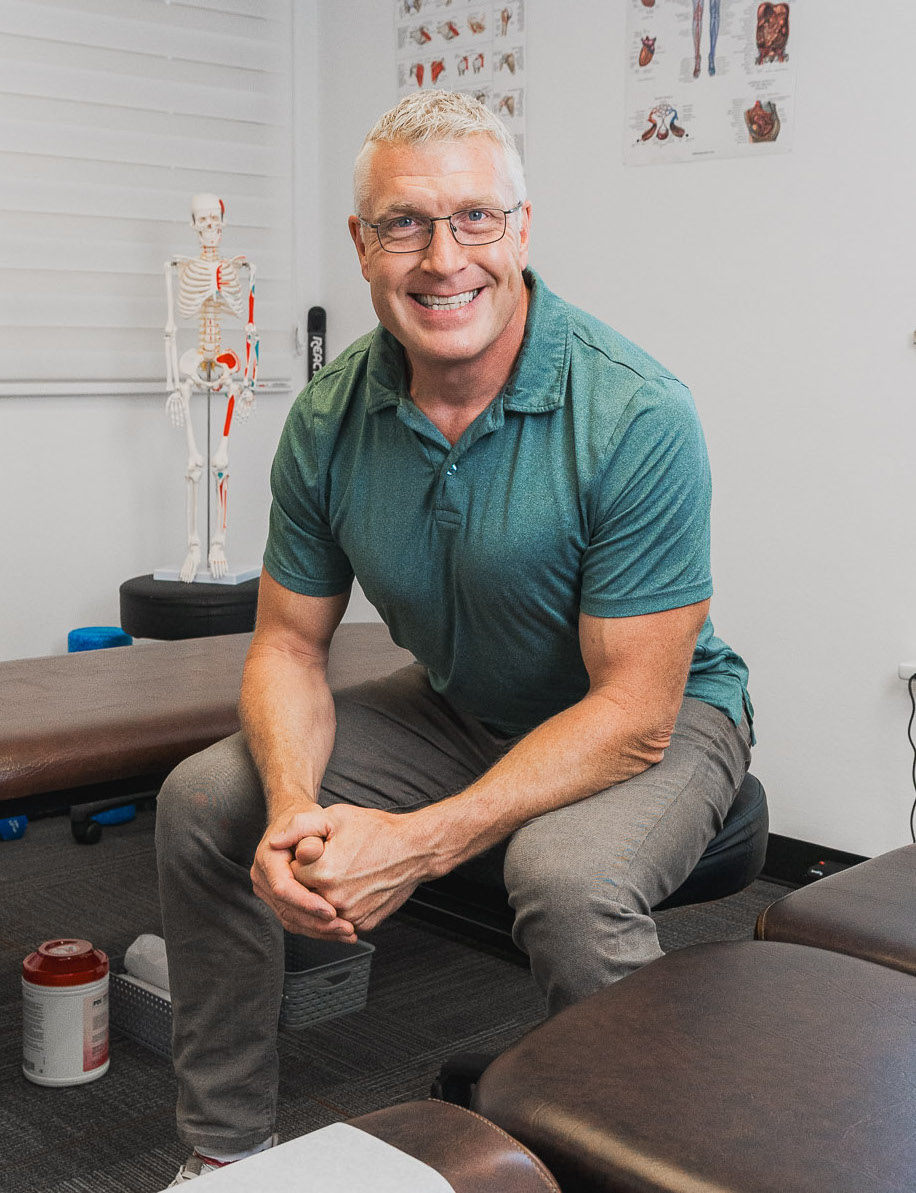
What Makes Dr. Allen Different for Active Colorado Patients?
Skiers don’t need assembly-line chiropractic.
They need:
Clear explanation of what’s tight
What’s weak
What’s compensating
And what to do about it
Dr. Allen combines:
Chiropractic care
Advanced tissue therapies
Dry needling
Medical massage
Functional movement support
Not just “crack and go.”
And especially for patients who’ve had prior car accidents, untreated soft tissue injuries can increase ski injury risk. We see this crossover often in our Wheat Ridge personal injury patients.
When old neck or low back injuries aren’t fully rehabilitated, rotational sports expose those weak links.
Signs You Should Get Checked Before Your Next Ski Day
Lingering knee tightness
One-sided hip restriction
Neck stiffness
Low back fatigue after workouts
Muscle pulling when you squat
These are not random.
They are early warning signs.
CALL THE OFFICE TO BOOK AN APPOINTMENT (303) 351-0744:
A Quick Story From the Clinic
A 42-year-old weekend skier from Wheat Ridge came in last February.
He hadn’t skied much this season — low snow, busy schedule. Then he went up for a “big day” in late season conditions.
By 2pm, his quads were cooked.
By the last run, his hip mobility was gone.
One awkward turn later — knee strain.
Not catastrophic.
But preventable.
After a few focused sessions combining dry needling, tissue work, and movement correction, he was back on the mountain — smarter and stronger.
His words:
“I didn’t realize how tight everything had gotten until it wasn’t working.”
That’s common.
Don’t Waste the Last Runs of the Season
We may not have had record-breaking snowfall this year.
But there are still good days ahead.
Let’s make sure your body is ready for them.
If you’re looking for a chiropractor in Wheat Ridge, Colorado who focuses on muscle recovery, mobility restoration, and injury prevention — not contracts — we’re here.
CALL THE OFFICE (303) 351-0744: with questions about knee, neck, or back tightness before your next trip to the mountains.
Because the goal isn’t just to ski.
It’s to ski confidently — and wake up the next morning feeling functional, not injured.